
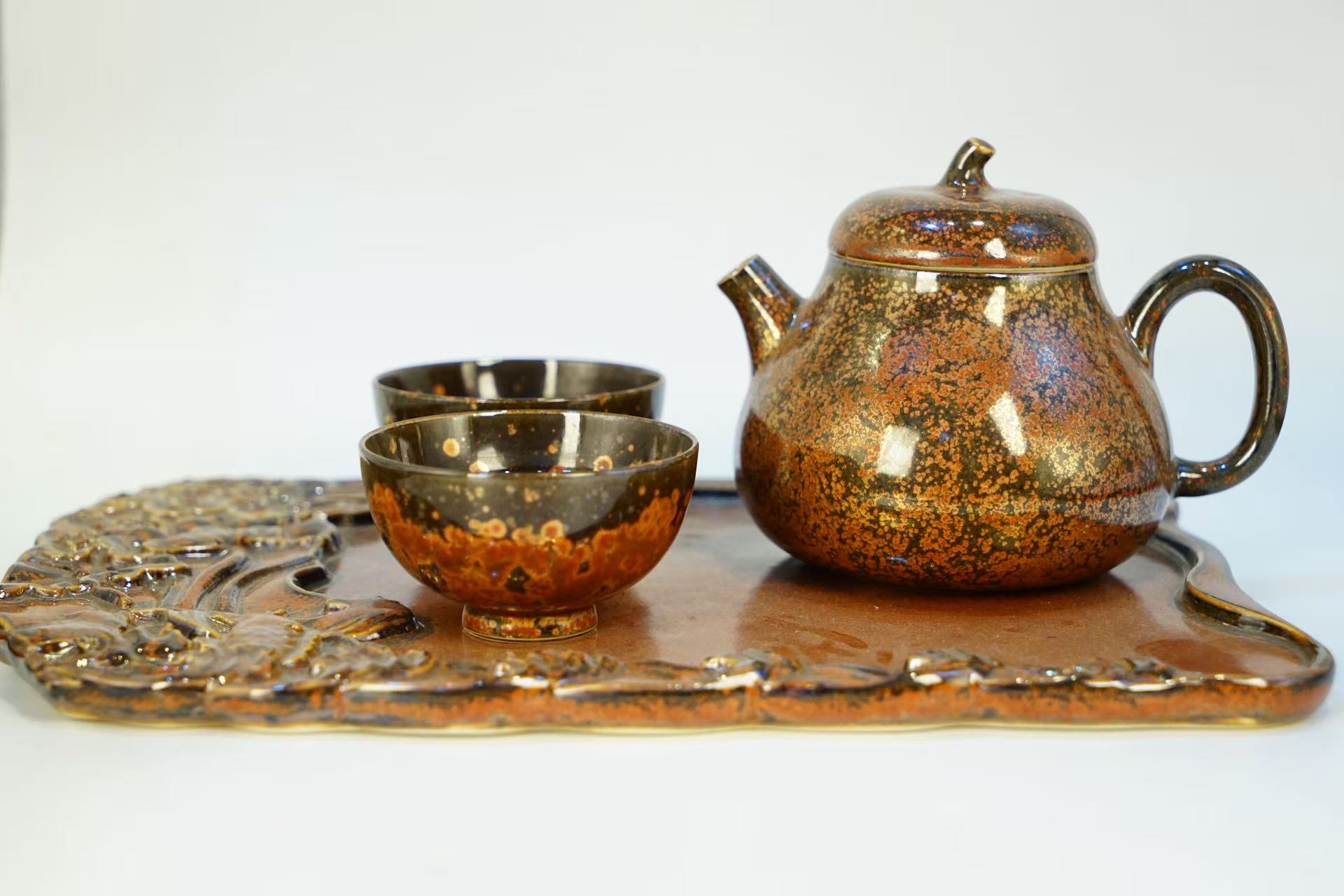
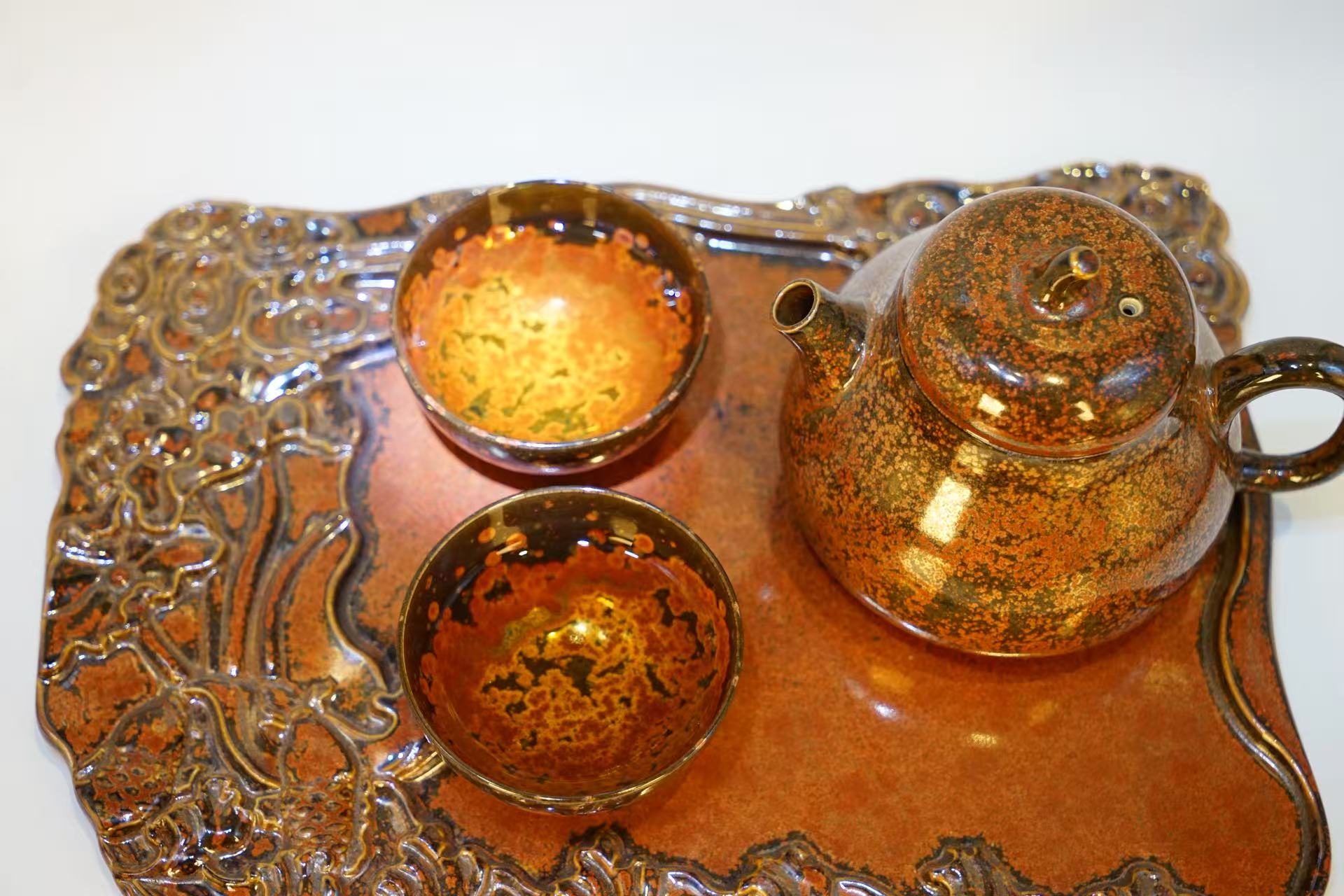

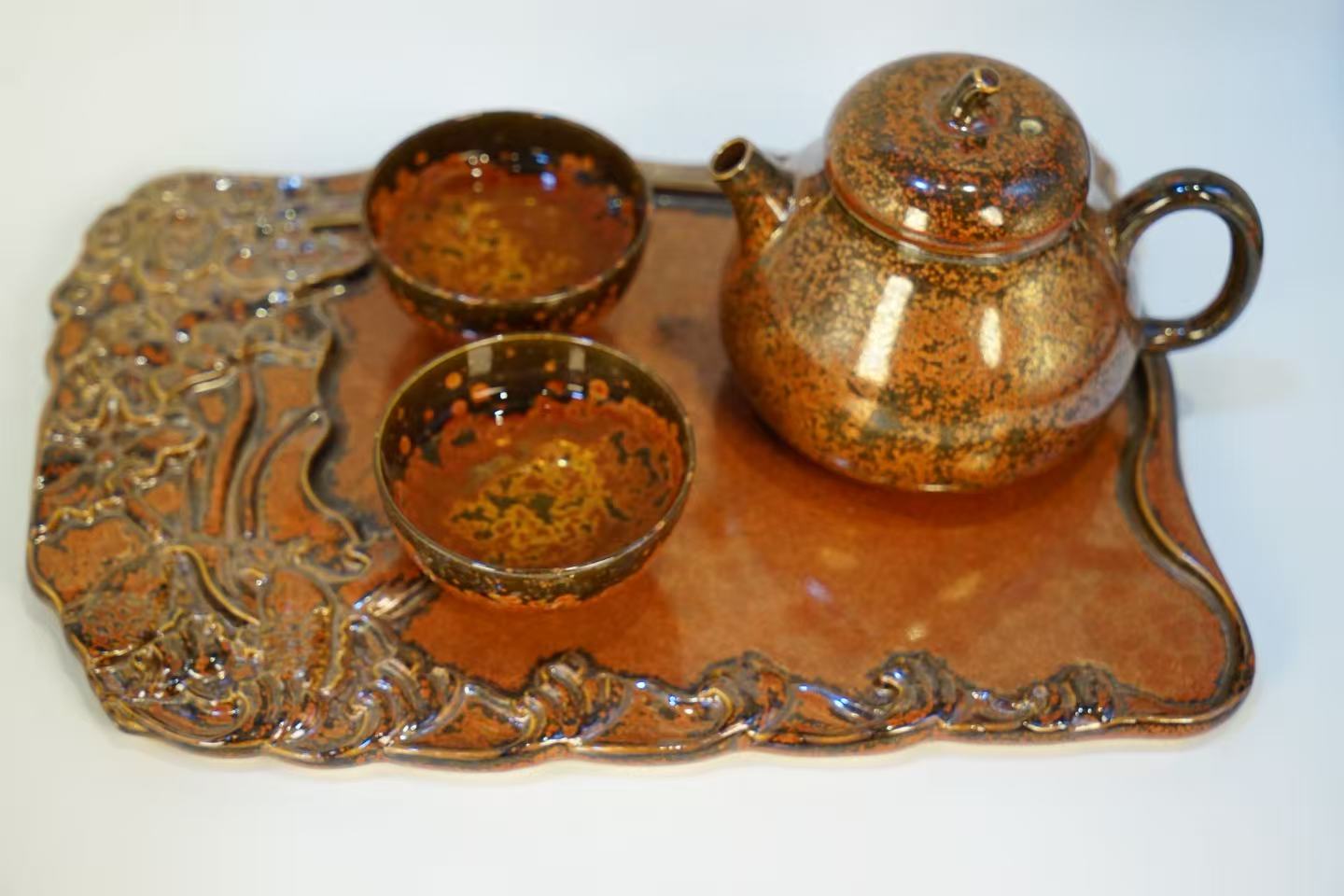
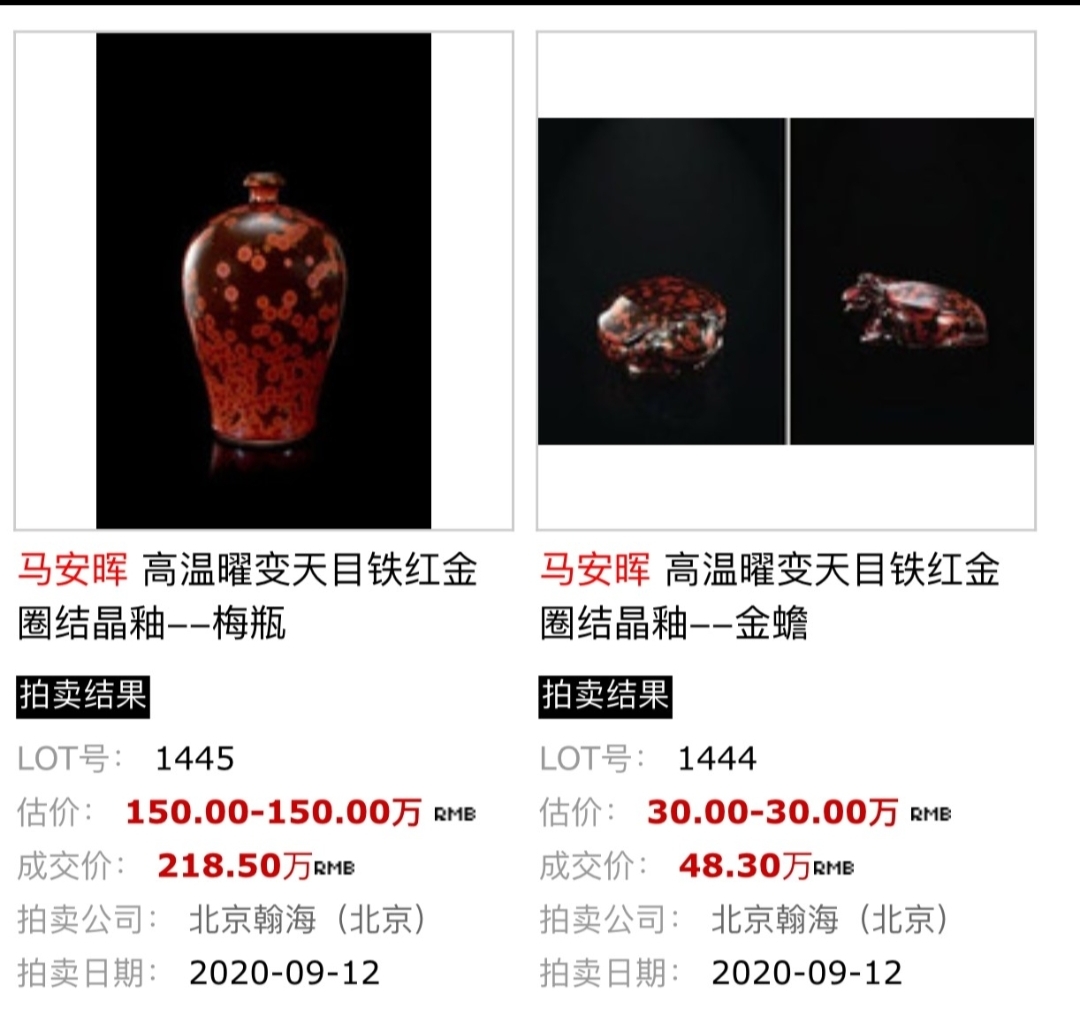
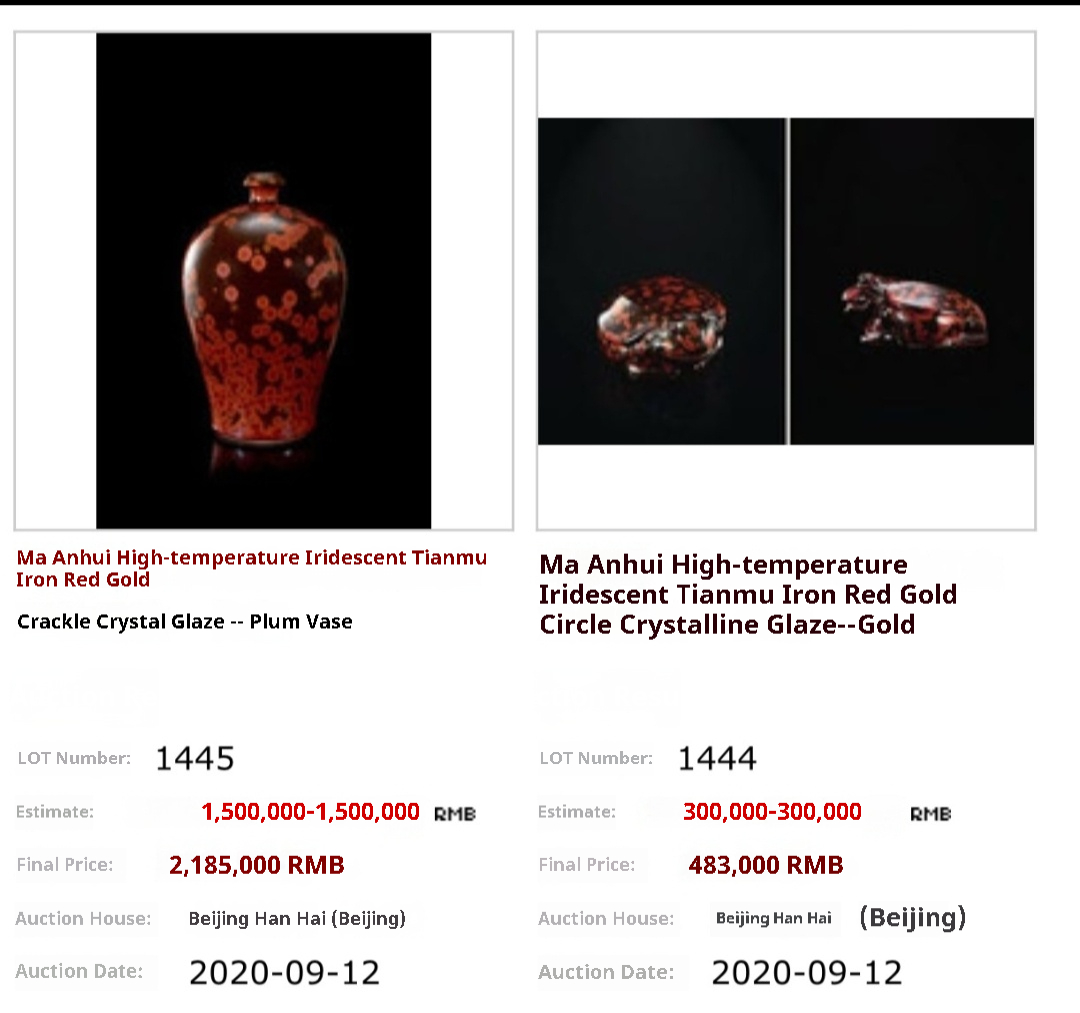

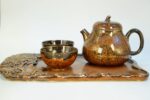
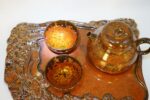

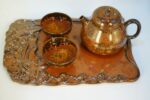
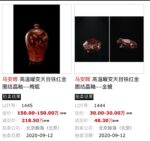
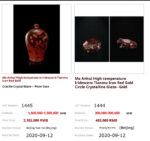
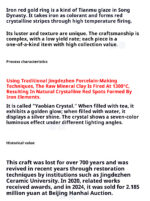

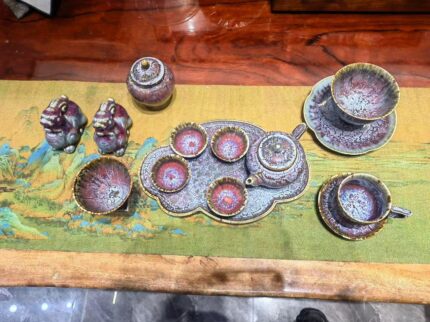

The Iron Red Crystalline Yohen Tenmoku Tea Bowl of the Song Dynasty originated from the Jian Kiln during the Northern and Southern Song Dynasties (960-1279 AD), located in Shuiji Town, Jianyang, Fujian Province today. It is the pinnacle work of Tenmoku glazed porcelain in the Song Dynasty and the ultimate embodiment of “kiln transformation” art in the history of ancient Chinese ceramics. As a royal御用 tea cup firing base in the Song Dynasty, Jian Kiln was famous for producing black-glazed tea cups. Due to the extremely high firing difficulty and extremely low yield rate, Yohen Tenmoku has very few surviving works, known as “diamonds in ceramics”, with extremely high historical value, artistic value and collection value.
Based on the handed down Yohen Tenmoku tea bowl of the Song Dynasty, this product is recreated in accordance with ancient craftsmanship, completely restoring the unique texture and artistic style of the iron red crystalline Yohen of the Song Dynasty. It not only retains the charm of ancient artifacts, but also adapts to the use of contemporary tea tables, allowing the brilliance of the thousand-year-old kiln fire and the elegant tea customs of literati in the Song Dynasty to be inherited and continued.
(II)Craftsmanship Features
1. Clay Selection: High-iron clay rich in iron elements from Jianyang is used, with a hard and delicate texture and a dark brown color. It makes a crisp sound when knocked, showing the essence of the tire quality of black-glazed porcelain from Jian Kiln in the Song Dynasty. The clay is repeatedly washed and kneaded to remove impurities, ensuring the regular shape of the ware and not easy to deform.
2. Glaze Formula: Following the ancient glaze formula of the Song Dynasty, feldspar, quartz and plant ash are used as the base, and mineral raw materials rich in iron oxide are added to prepare high-iron glaze. The glaze is thick and evenly applied, laying the foundation for the formation of iron red crystals and the presentation of Yohen effect.
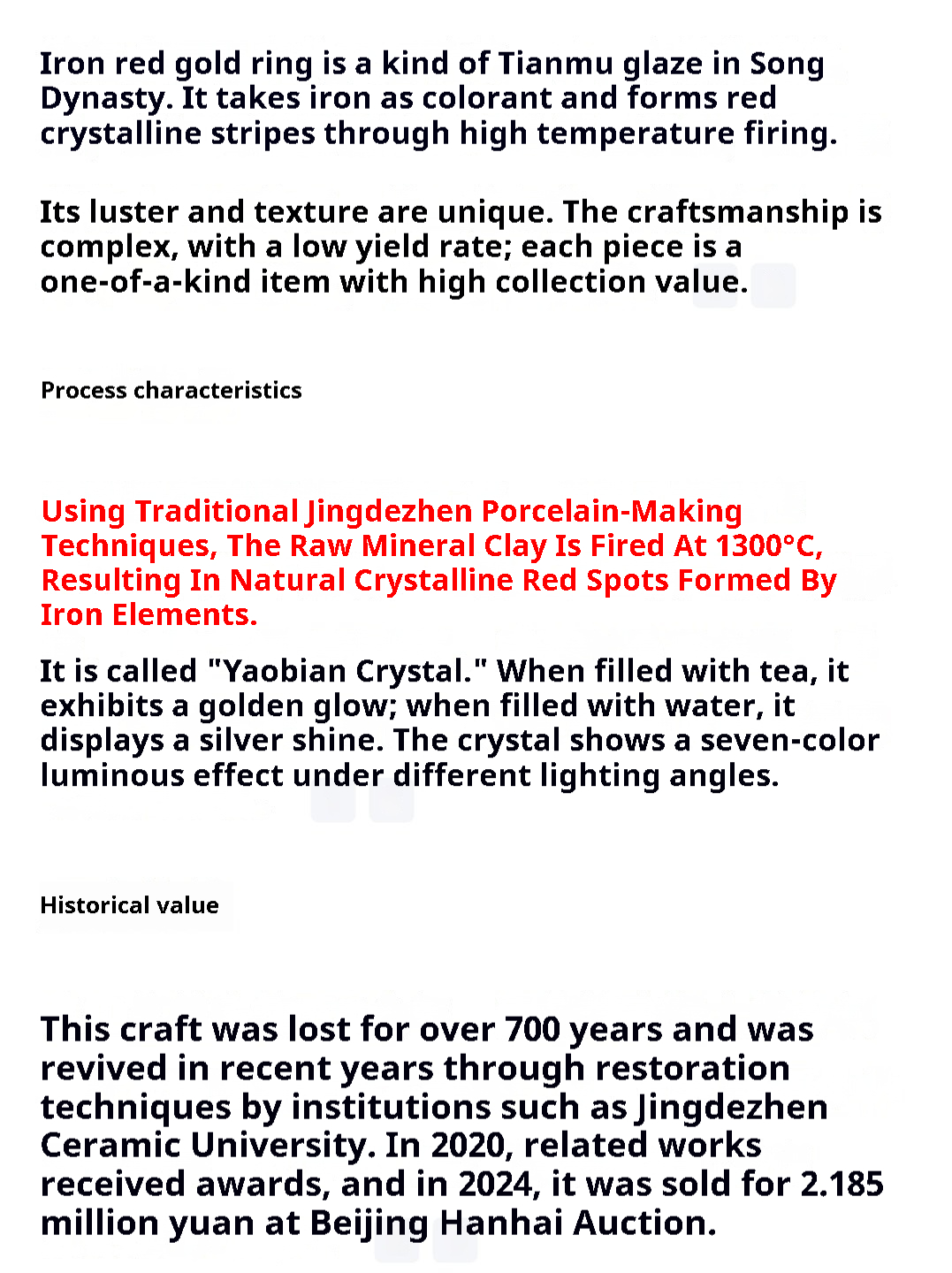
3. Firing Process: Fire in a wood-fired kiln at a high temperature, with the temperature accurately controlled between 1300-1350℃. It goes through multiple complex processes such as heating, constant temperature and cooling, and takes dozens of hours to complete. During the firing process, the iron elements in the glaze undergo redox reactions under the high-temperature reducing atmosphere to precipitate iron red crystals. At the same time, due to the glaze flow and temperature changes, a unique Yohen halo is formed. The crystal shape and halo pattern of each finished product are unique and irreproducible.
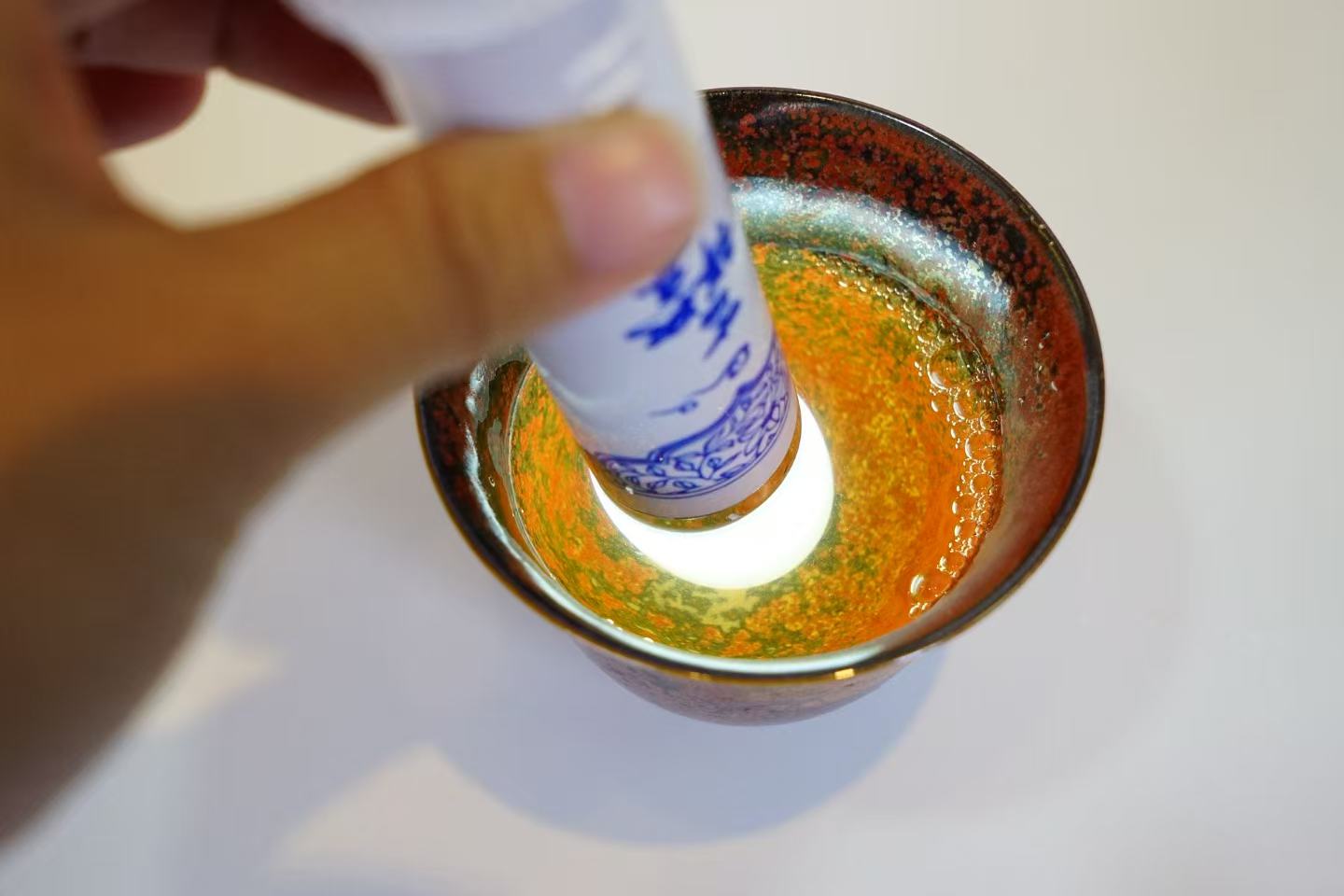
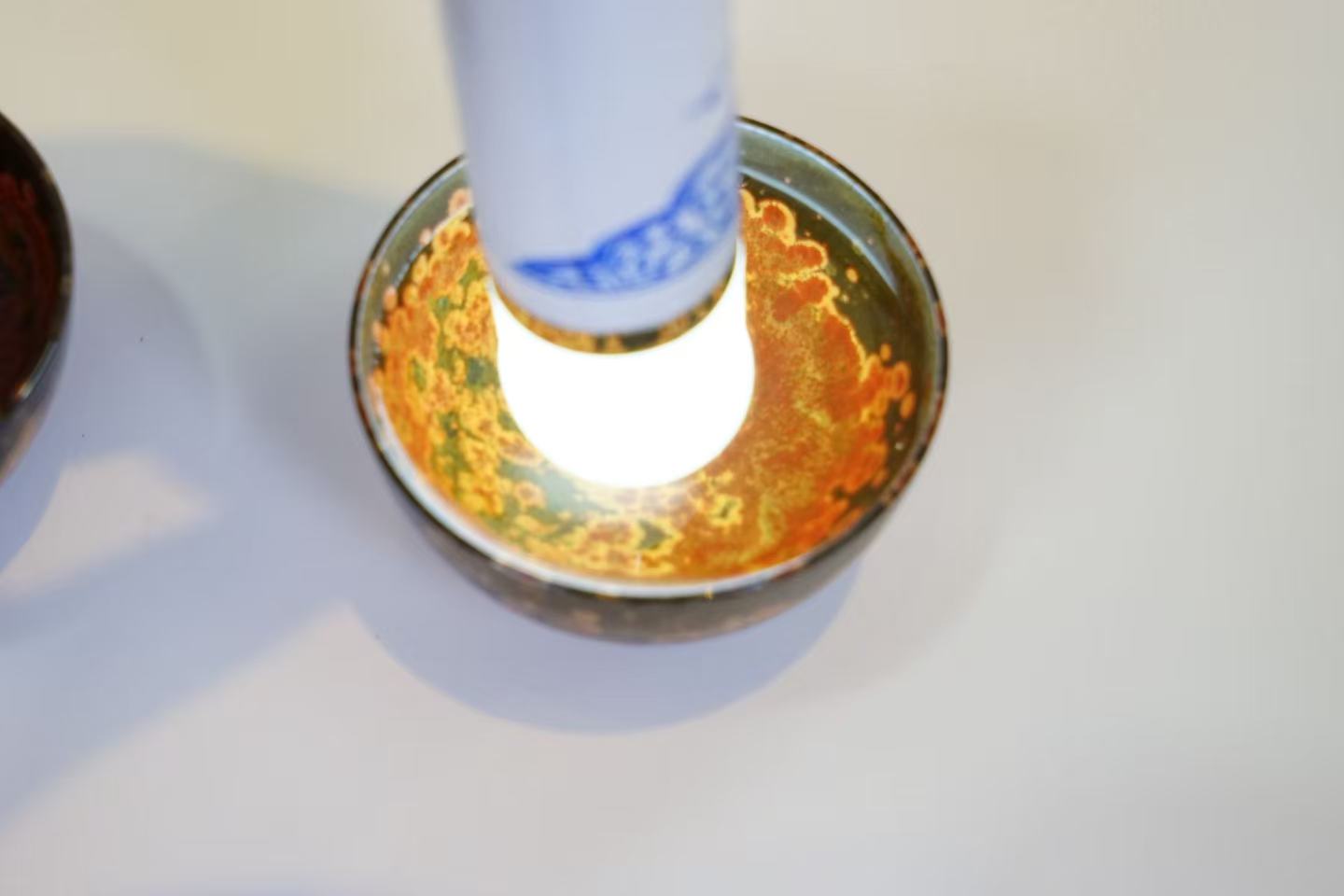
4. Characteristics of Iron Red Crystals: The inner wall of the bowl is covered with fine iron red crystals, distributed in needle-like, star-like or flocculent shapes, with colors gradient from light red to dark red, like stars scattered in the night sky, vivid and layered. The crystals set off against the black glaze background, with a distinct contrast, combining simplicity and brilliance.
(III)Shape Aesthetics
This product adopts the classic “bound-mouth cup” style of the Song Dynasty, with a caliber of about 12 cm, a height of about 6.5 cm, a small and round bottom foot, and smooth and natural lines, conforming to the aesthetic concept of “harmony between man and nature” in the Song Dynasty. The bound-mouth design can not only gather the tea fragrance, but also facilitate holding, adapting to various tea scenes such as dotting tea in the Song Dynasty and making tea in contemporary times.
The inside and outside of the bowl are covered with black glaze, the glaze surface is glossy. The iron red crystals and Yohen halo formed by kiln transformation locally present different light and shadow effects under the irradiation of light, sometimes as deep as ink, sometimes as red as clouds, fully showing the aesthetic pursuit of “simplicity as beauty” of ceramics in the Song Dynasty, with both practicality and artistic appreciation.
(IV)Value and Usage
1. Collection Value: Recreate the Yohen Tenmoku craftsmanship of the Song Dynasty, restore the charm of ancient artifacts, with exquisite craftsmanship and unique texture. It is a high-quality product for contemporary ceramic collection and cultural inheritance, with both appreciation potential and commemorative significance.
2. Practical Value: Suitable for brewing various teas such as green tea, black tea and oolong tea. The high-iron glaze surface is not easy to absorb tea stains, easy to clean, and can improve the taste of tea soup, making tea tasting more ritualistic.
3. Gift Value: With both cultural heritage and artistic beauty, it is a high-end gift for relatives and friends, business contacts, conveying thousand-year ceramic culture and Oriental elegance.
(V)Maintenance Instructions
1. Before first use, soak in warm water for 30 minutes, then wipe clean with a soft cloth to remove surface dust.
2. Avoid sudden cold and sudden heat, do not place directly on open fire for heating, to prevent glaze cracking.
3. It is recommended to use a soft cloth and neutral detergent for cleaning, avoid using hard brushes or rough objects to wipe, so as not to damage the glaze surface and crystals.
4. When not in use, it can be stored in a dry and ventilated place, avoid collision and extrusion, and properly maintain to extend the service life.


Reviews
There are no reviews yet.