Shop
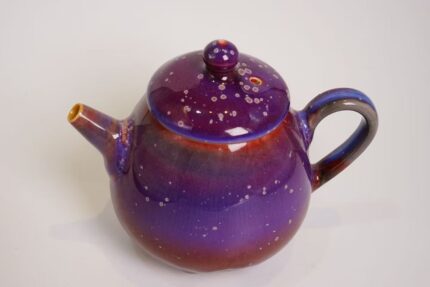
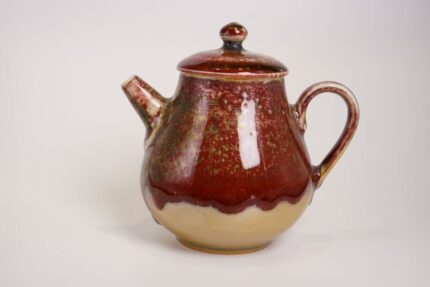
High-Temp Colored glaze 1320 degrees 100% Handmade Teapot 4
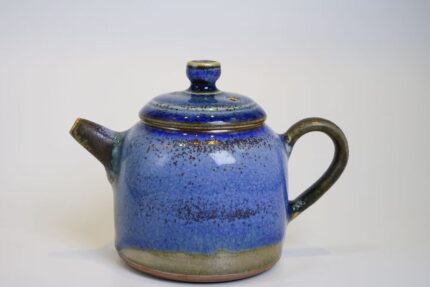
High-Temp Colored glaze 1320 degrees 100% Handmade Teapot 5
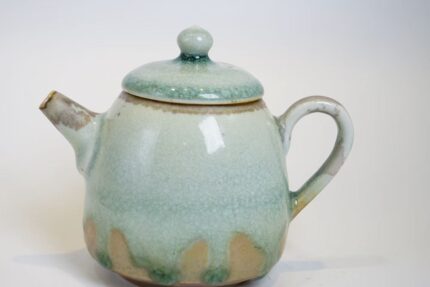
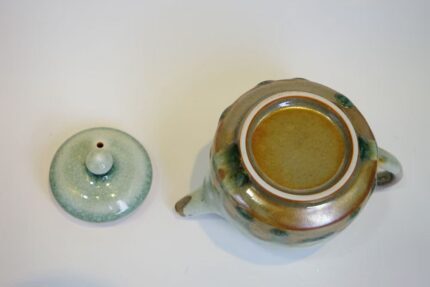
High-Temp Colored glaze 1320 degrees 100% Handmade Teapot 6
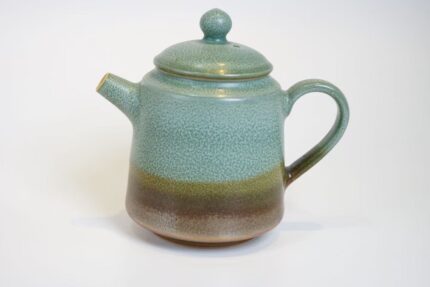
High-Temp Colored glaze 1320 degrees 100% Handmade Teapot 7


high-temperature colored glaze porcelain—-Coffee Cup 1
High-temperature colored glaze porcelain is a type of colored ceramic made by using metal oxides and natural ores as coloring agents during the firing process, which is completed at a high temperature of approximately 1,380°C. Due to the natural changes that occur in its glaze during firing, each piece of such porcelain is unique—giving it high collectible and artistic value. Additionally, its chemical molecules are extremely stable, making it safe and non-toxic.


Jiangdouhong Porcelain —-Coffee Cup 1
"Cowpea Red" refers to a type of precious high-temperature copper-red glaze porcelain fired by the Jingdezhen Imperial Kiln during the Kangxi period of the Qing Dynasty. Its color varies in depth, closely resembling the hue of red cowpeas—hence the name. This type of porcelain is extremely difficult to produce and features a unique firing process. Its pink glaze is often dotted with green spots, known as "moss-like spots," which has also earned it alternative names such as "Peach Blossom Petal" and "Beauty’s Blush." Common forms are mostly stationery items, including vases, seal boxes, and radish-shaped vases.
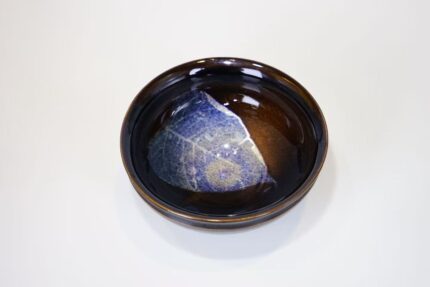
Leaf-Inlaid Tenmoku Glaze—- Teacup 1
Leaf-Patterned Tenmoku Glaze is a type of black-glazed porcelain originating from the Jizhou Kiln of the Southern Song Dynasty. Its uniqueness lies in fusing the ash of mulberry or bodhi leaves with black glaze through high-temperature firing, forming off-white vein-like patterns. The core of this craftsmanship involves placing processed leaves on glazed ceramic bodies, which are then fired at a high temperature of approximately 1,300°C. This causes the leaf ash to blend into the glaze, creating a "leaf vein" decorative effect that stands in striking contrast to the black glaze.
Leaf-Patterned Tenmoku Glaze was exported overseas during the Song and Yuan dynasties. In the 1980s, the long-lost ancient techniques for producing it were successfully reproduced, and it has now been listed as a National Intangible Cultural Heritage.

Leaf-Inlaid Tenmoku Glaze—- Teacup 2
Leaf-Patterned Tenmoku Glaze is a type of black-glazed porcelain originating from the Jizhou Kiln of the Southern Song Dynasty. Its uniqueness lies in fusing the ash of mulberry or bodhi leaves with black glaze through high-temperature firing, forming off-white vein-like patterns. The core of this craftsmanship involves placing processed leaves on glazed ceramic bodies, which are then fired at a high temperature of approximately 1,300°C. This causes the leaf ash to blend into the glaze, creating a "leaf vein" decorative effect that stands in striking contrast to the black glaze.
Leaf-Patterned Tenmoku Glaze was exported overseas during the Song and Yuan dynasties. In the 1980s, the long-lost ancient techniques for producing it were successfully reproduced, and it has now been listed as a National Intangible Cultural Heritage.
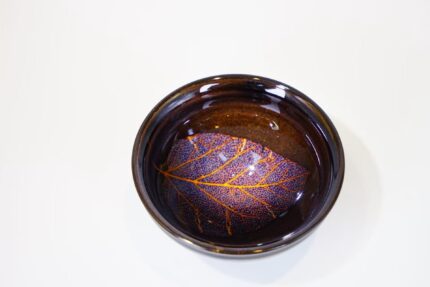

Leaf-Inlaid Tenmoku Glaze—- Teacup 3
Leaf-Patterned Tenmoku Glaze is a type of black-glazed porcelain originating from the Jizhou Kiln of the Southern Song Dynasty. Its uniqueness lies in fusing the ash of mulberry or bodhi leaves with black glaze through high-temperature firing, forming off-white vein-like patterns. The core of this craftsmanship involves placing processed leaves on glazed ceramic bodies, which are then fired at a high temperature of approximately 1,300°C. This causes the leaf ash to blend into the glaze, creating a "leaf vein" decorative effect that stands in striking contrast to the black glaze.
Leaf-Patterned Tenmoku Glaze was exported overseas during the Song and Yuan dynasties. In the 1980s, the long-lost ancient techniques for producing it were successfully reproduced, and it has now been listed as a National Intangible Cultural Heritage.
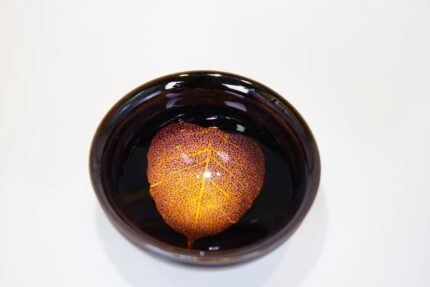
Leaf-Inlaid Tenmoku Glaze—- Teacup 4
Leaf-Patterned Tenmoku Glaze is a type of black-glazed porcelain originating from the Jizhou Kiln of the Southern Song Dynasty. Its uniqueness lies in fusing the ash of mulberry or bodhi leaves with black glaze through high-temperature firing, forming off-white vein-like patterns. The core of this craftsmanship involves placing processed leaves on glazed ceramic bodies, which are then fired at a high temperature of approximately 1,300°C. This causes the leaf ash to blend into the glaze, creating a "leaf vein" decorative effect that stands in striking contrast to the black glaze.
Leaf-Patterned Tenmoku Glaze was exported overseas during the Song and Yuan dynasties. In the 1980s, the long-lost ancient techniques for producing it were successfully reproduced, and it has now been listed as a National Intangible Cultural Heritage.