
Best Sellers

Wood-Fired Porcelain — Coffee Cup
Wood-fired pottery is an ancient firing method, with wood as the primary fuel for the kiln. Initially, when firing pottery, it was necessary to cover the ceramic bodies to isolate wood ash from fire and avoid direct contact, ensuring the consistent glaze color of the products. In ancient China’s orthodox porcelain-making standards, any traces of ash on the glaze or fire marks on the ceramic bodies were not appreciated (when technically avoidable) and were regarded as flawed products.


Wood-Fired Porcelain — Coffee Cup 3
Wood-fired pottery is an ancient firing method, with wood as the primary fuel for the kiln. Initially, when firing pottery, it was necessary to cover the ceramic bodies to isolate wood ash from fire and avoid direct contact, ensuring the consistent glaze color of the products. In ancient China’s orthodox porcelain-making standards, any traces of ash on the glaze or fire marks on the ceramic bodies were not appreciated (when technically avoidable) and were regarded as flawed products.

Wood-Fired Porcelain — Coffee Cup 4
Wood-fired pottery is an ancient firing method, with wood as the primary fuel for the kiln. Initially, when firing pottery, it was necessary to cover the ceramic bodies to isolate wood ash from fire and avoid direct contact, ensuring the consistent glaze color of the products. In ancient China’s orthodox porcelain-making standards, any traces of ash on the glaze or fire marks on the ceramic bodies were not appreciated (when technically avoidable) and were regarded as flawed products.

Wood-Fired Porcelain — Coffee Cup 7
Wood-fired pottery is an ancient firing method, with wood as the primary fuel for the kiln. Initially, when firing pottery, it was necessary to cover the ceramic bodies to isolate wood ash from fire and avoid direct contact, ensuring the consistent glaze color of the products. In ancient China’s orthodox porcelain-making standards, any traces of ash on the glaze or fire marks on the ceramic bodies were not appreciated (when technically avoidable) and were regarded as flawed products.
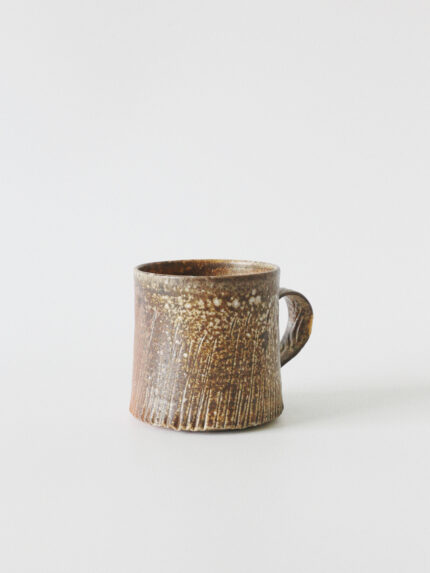

Wood-Fired Porcelain— Coffee Cup 10
Wood-fired pottery is an ancient firing method, with wood as the primary fuel for the kiln. Initially, when firing pottery, it was necessary to cover the ceramic bodies to isolate wood ash from fire and avoid direct contact, ensuring the consistent glaze color of the products. In ancient China’s orthodox porcelain-making standards, any traces of ash on the glaze or fire marks on the ceramic bodies were not appreciated (when technically avoidable) and were regarded as flawed products.
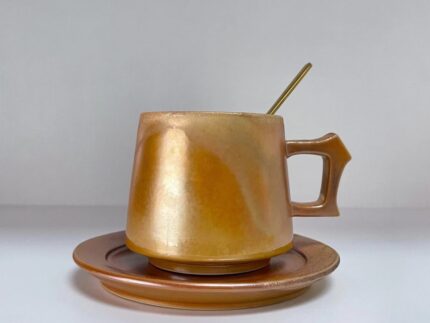
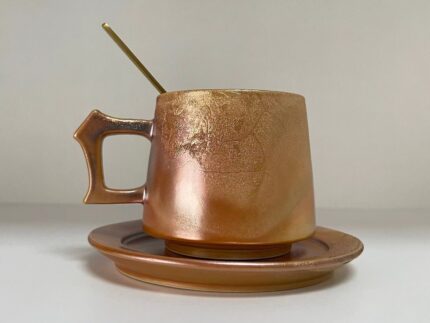
Wood-Fired Porcelain— Coffee Cup 12
Wood-fired pottery is an ancient firing method, with wood as the primary fuel for the kiln. Initially, when firing pottery, it was necessary to cover the ceramic bodies to isolate wood ash from fire and avoid direct contact, ensuring the consistent glaze color of the products. In ancient China’s orthodox porcelain-making standards, any traces of ash on the glaze or fire marks on the ceramic bodies were not appreciated (when technically avoidable) and were regarded as flawed products.

Wood-Fired Porcelain— Coffee Cup 2
Wood-fired pottery is an ancient firing method, with wood as the primary fuel for the kiln. Initially, when firing pottery, it was necessary to cover the ceramic bodies to isolate wood ash from fire and avoid direct contact, ensuring the consistent glaze color of the products. In ancient China’s orthodox porcelain-making standards, any traces of ash on the glaze or fire marks on the ceramic bodies were not appreciated (when technically avoidable) and were regarded as flawed products.

Wood-Fired Porcelain— Coffee Cup 6
Wood-fired pottery is an ancient firing method, with wood as the primary fuel for the kiln. Initially, when firing pottery, it was necessary to cover the ceramic bodies to isolate wood ash from fire and avoid direct contact, ensuring the consistent glaze color of the products. In ancient China’s orthodox porcelain-making standards, any traces of ash on the glaze or fire marks on the ceramic bodies were not appreciated (when technically avoidable) and were regarded as flawed products.
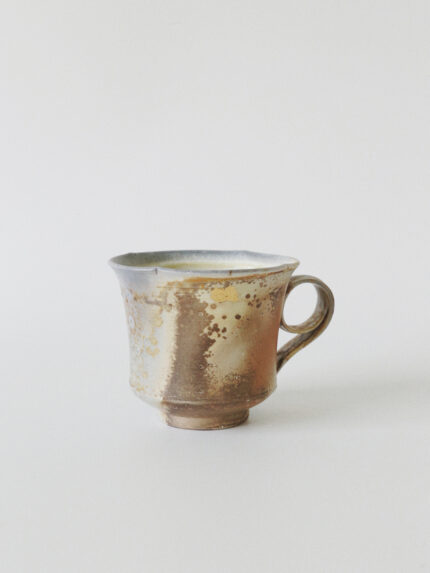
Wood-Fired Porcelain— Coffee Cup 9
Wood-fired pottery is an ancient firing method, with wood as the primary fuel for the kiln. Initially, when firing pottery, it was necessary to cover the ceramic bodies to isolate wood ash from fire and avoid direct contact, ensuring the consistent glaze color of the products. In ancient China’s orthodox porcelain-making standards, any traces of ash on the glaze or fire marks on the ceramic bodies were not appreciated (when technically avoidable) and were regarded as flawed products.