


Wood-fired pottery is an ancient firing method, with wood as the primary fuel for the kiln. Initially, when firing pottery, it was necessary to cover the ceramic bodies to isolate wood ash from fire and avoid direct contact, ensuring the consistent glaze color of the products. In ancient China’s orthodox porcelain-making standards, any traces of ash on the glaze or fire marks on the ceramic bodies were not appreciated (when technically avoidable) and were regarded as flawed products.
Although wood-fired pottery originated in China, it took root and flourished in Japan. Modern wood-fired pottery thrived in Japan and holds an important position in Japanese culture. The firing process and works of wood-fired kilns perfectly embody Japan’s supreme wabi-sabi aesthetics. After World War II, this traditional kiln-firing technique spread and aroused a strong response in the European and American art circles. With the great success of modern porcelain-making and firing technologies, a modern ceramic art concept—distinctly different from the traditional wood-fired aesthetic—is now prevalent.
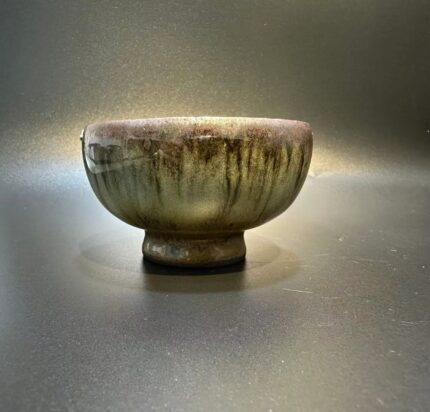
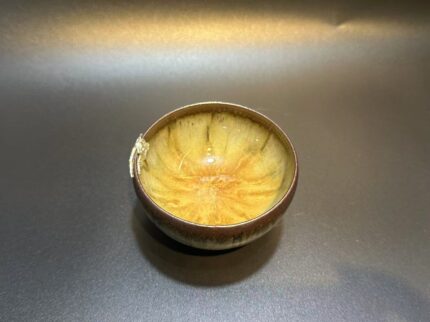
Modern wood-fired techniques pursue the natural combination of wood ash and clay. As wood burns, the resulting ash and flames directly rush into the kiln. Unlike regular smooth glazes, the ash in the kiln naturally adheres to the ceramic bodies. Under high-temperature firing, it forms a natural ash glaze that is warm, lustrous, and rich in layers. Melted or unmelted wood ash creates smooth or rough textures on the surface. It is an ancient craft with extremely high kiln-firing difficulty. The success of a wood-fired work depends on the relationship between clay, fire, wood, and the kiln.
[Clay]
Most clays used for wood-fired pottery are blended by potters themselves. Factors considered include the heat resistance of the clay, properties of the wood-fired kiln, and types of firewood. The goal is to make the clay exhibit the warm, simple, calm, and restrained beauty unique to wood-fired pottery.
[Wood]
Generally, wood needs to be stored for at least 3 to 6 months (to avoid excessive moisture) to facilitate combustion. Common types include pine, camphor, longan, lychee wood, and waste wood.
[Kiln]
Heat is provided solely by burning wood. Firing in a kiln usually takes 3 to 5 days, during which workers take non-stop shifts to add firewood. Subtle factors such as the speed and method of adding firewood, types of firewood, weather conditions, and air intake volume continuously affect the color changes of the works inside the kiln.
[Ash]
When firing pottery in a wood-fired kiln, the fully burned ash is extremely light and drifts with the hot air flow. When the temperature reaches above 1200°C, the wood ash begins to melt. It combines with the iron in the ceramic body to form glaze, presenting various color changes. This type of glaze is called “natural ash glaze.” At first glance, natural ash glaze may seem unremarkable, but it becomes more appealing the more you look at it—and this is precisely the charm of wood-fired works.
Special Function
Wood-fired vessels with high iron content can soften water after firing. Therefore, they are often used for brewing teas such as Pu’er and Oolong to enhance the taste of tea infusions.
Volume: 160 ml







Reviews
There are no reviews yet.