
Shop
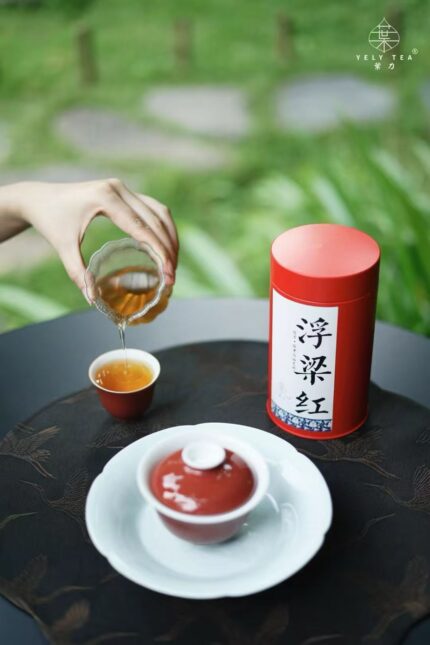
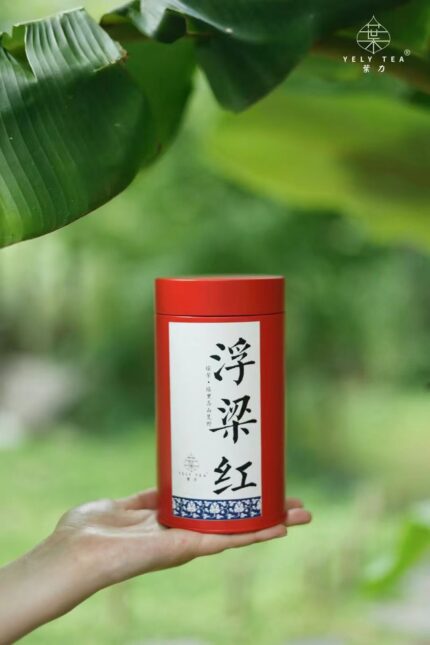
Fuliang black Tea ,Wild Tea,Jingdezhen, 90 grams , a bottle
It is crafted from wild spring tea leaves sourced from the high mountain forest region in the northeastern part of Yaoli, Fuliang County, Jingdezhen, Jiangxi Province, grown at an altitude of 800 to 1,000 meters. It won the Gold Medal for Tea at the 1915 Panama-Pacific International Exposition in San Francisco, USA.
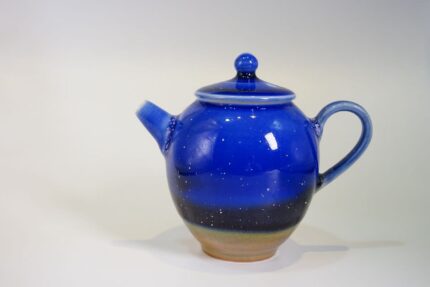
High-Temp Colored glaze 1320 degrees 100% Handmade Teapot 1
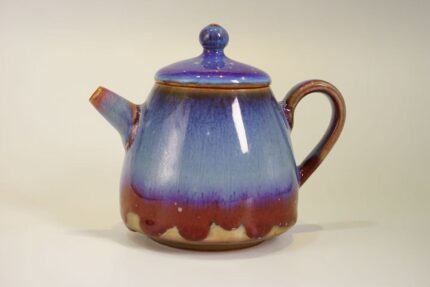
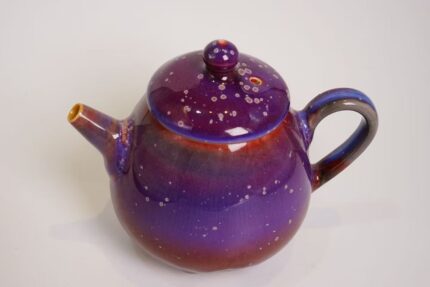
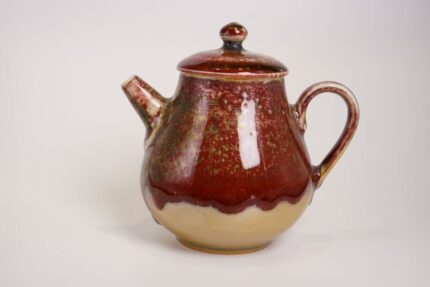
High-Temp Colored glaze 1320 degrees 100% Handmade Teapot 4
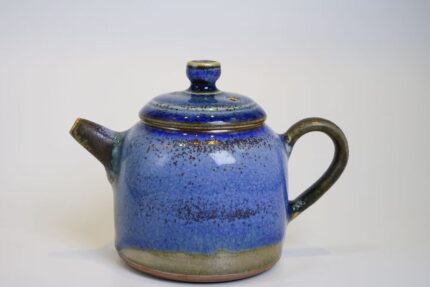
High-Temp Colored glaze 1320 degrees 100% Handmade Teapot 5
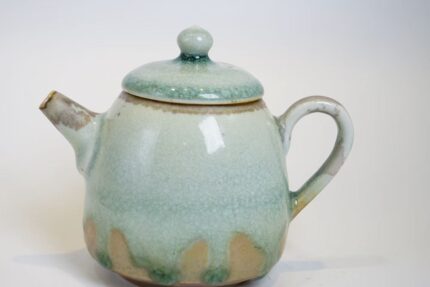
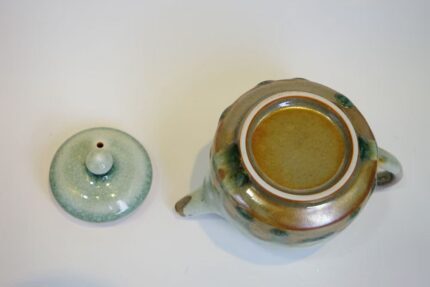
High-Temp Colored glaze 1320 degrees 100% Handmade Teapot 6
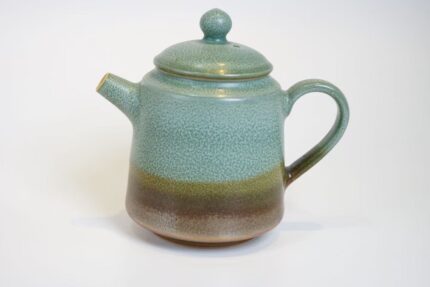
High-Temp Colored glaze 1320 degrees 100% Handmade Teapot 7


high-temperature colored glaze porcelain—-Coffee Cup 1
High-temperature colored glaze porcelain is a type of colored ceramic made by using metal oxides and natural ores as coloring agents during the firing process, which is completed at a high temperature of approximately 1,380°C. Due to the natural changes that occur in its glaze during firing, each piece of such porcelain is unique—giving it high collectible and artistic value. Additionally, its chemical molecules are extremely stable, making it safe and non-toxic.


High-temperature colored glaze—Coffee Cup 2
High-temperature colored glaze refers to colored ceramic products fired at high temperatures (e.g., 1380℃), which uses metal oxides and natural ores as colorants. This type of product features rich colors and unique textures, boasting high collectible value and potential as works of art. Due to the high firing temperature, its chemical molecules are extremely stable, thus exhibiting non-toxic and safe properties.


High-temperature colored glaze—Coffee Cup 3
High-temperature colored glaze refers to colored ceramic products fired at high temperatures (e.g., 1380℃), which uses metal oxides and natural ores as colorants. This type of product features rich colors and unique textures, boasting high collectible value and potential as works of art. Due to the high firing temperature, its chemical molecules are extremely stable, thus exhibiting non-toxic and safe properties.


High-temperature colored glaze—Coffee Cup 4
High-temperature colored glaze refers to colored ceramic products fired at high temperatures (e.g., 1380℃), which uses metal oxides and natural ores as colorants. This type of product features rich colors and unique textures, boasting high collectible value and potential as works of art. Due to the high firing temperature, its chemical molecules are extremely stable, thus exhibiting non-toxic and safe properties.